"CA tongue" refers to tongue cancer, a malignancy of the tongue cells, most commonly a type of oral cancer called squamous cell carcinoma. The cancer can affect the oral tongue (the visible part) or the base of the tongue (the part that extends down the throat). Symptoms can include a non-healing sore, a lump, pain, or red/white patches, but early stages may show no symptoms.
Tongue cancer

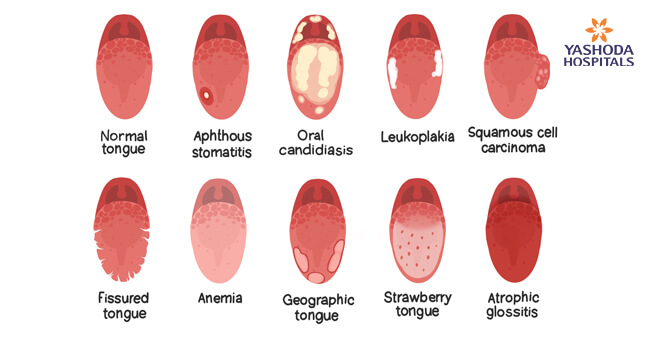
Here’s a detailed overview of tongue cancer, suitable for your blog — from introduction through to prevention and what to watch for.
What is Tongue Cancer?
Tongue cancer is a malignancy (a cancerous growth) that arises from cells of the tongue. (Mayo Clinic)
There are two main anatomical parts where this can occur:
-
Oral tongue: the front 2/3 of the tongue (the part you can see when you stick your tongue out). (Cancer Research UK)
-
Base of tongue: the posterior third that lies in the oropharynx (throat area). (Cancer Research UK)
The most common type of tongue cancer is squamous cell carcinoma (SCC) — arising from the flat cells lining the tongue surface. (NCBI)
Why It Happens – Causes & Risk Factors
Cancer of the tongue develops when there are abnormal changes (mutations) in the DNA of tongue cells, causing them to grow uncontrollably and form a tumour. (Mayo Clinic)
Key risk factors include:
-
Tobacco use (smoking cigarettes, cigars, pipes, chewing tobacco) — strongly linked. (Cedars-Sinai)
-
Heavy alcohol consumption — especially combined with tobacco increases risk exponentially. (Cleveland Clinic)
-
Infection with Human papillomavirus (HPV), especially in cancers of the base of the tongue/oropharynx. (NCBI)
-
Age (typically people over ~40) and male sex are more commonly affected. (Cedars-Sinai)
-
Poor oral hygiene, betel nut chewing (in some regions), and prior radiation exposure. (NCBI)
Signs & Symptoms – What to Look Out For
Early tongue cancer may be subtle but certain symptoms are red-flags:
-
A sore, ulcer, or lump on the tongue (especially side or underside) that does not heal. (Medical News Today)
-
Red or white patches on the tongue: e.g., erythroplakia (red) or leukoplakia (white) patches. (Cleveland Clinic)
-
Pain or burning sensation in the tongue. (Cedars-Sinai)
-
Difficulty or pain when swallowing, moving the tongue, chewing; or feeling like there’s something caught in the throat. (Cleveland Clinic)
-
Numbness of the tongue or other parts of the mouth. (Medical News Today)
-
A lump in the neck (when the cancer has spread to lymph nodes). (Cancer Research UK)
It’s important to note that having one of these symptoms does not mean you definitely have cancer — but persistent changes (weeks/months) should be checked by a healthcare professional.
How It’s Diagnosed
Diagnosis generally involves:
-
Clinical examination of the tongue, mouth, neck (by a dentist, ENT specialist, or oral surgeon). (Cedars-Sinai)
-
Imaging (CT scan, MRI, PET) to assess extent and spread. (cansa.org.za)
-
Biopsy of the suspicious area (removing a sample of tissue) to examine under microscope and confirm cancer and its type. (Cleveland Clinic)
-
Staging (how far it has spread) and grading (how aggressive the cells look) to plan treatment. (Medical News Today)
Treatment Options
Treatment depends on the location (oral tongue vs base), the stage, patient’s general health. Typical treatments include:
-
Surgery: removing the tumour and sometimes part of the tongue (partial glossectomy) and removed lymph nodes in neck if involved. (NCBI)
-
Radiation therapy: often used after surgery or as primary treatment in some cases. (Cancer Research UK)
-
Chemotherapy: may be used in advanced cases or combined with radiation. (Cleveland Clinic)
-
Targeted therapy/immunotherapy: in some settings though less common.
-
Rehabilitation: because tongue function involves speech, swallowing, taste — post-treatment rehabilitation may include speech therapy, dietary support.
Prognosis & Survival
-
The earlier the cancer is detected (localized, small, no spread), the better the outcome. (Cleveland Clinic)
-
For example, one source gives five-year survival rates: ~84 % for cancer confined to the tongue, ~70 % if regional lymph nodes involved, and ~41 % if distant metastasis. (Cleveland Clinic)
-
However, advanced stage tongue cancers still have relatively poor prognosis, and close follow-up is necessary. (cansa.org.za)
-
Functional outcomes (speech, swallowing) and quality of life are also important considerations.
Prevention & Early Detection
Key preventive measures:
-
Avoid tobacco in any form (smoking, chewing).
-
Limit alcohol intake (especially avoid the heavy, frequent use).
-
Get HPV vaccination (since HPV is a risk factor for tongue/oropharyngeal cancer). (City of Hope Cancer Treatment Centers)
-
Maintain good oral hygiene and regular dental check-ups — dentists may pick up suspicious lesions early.
-
Raise awareness: any non-healing sore, lump, or patch on tongue >2 weeks should be evaluated.
-
Balanced diet (adequate fruits/vegetables) may help reduce risk. (City of Hope Cancer Treatment Centers)
For Your Blog – Key Take-Home Messages
-
Tongue cancer, while rarer than many cancers, is serious and can significantly impact speaking, eating, quality of life.
-
The front part (oral tongue) is more accessible for early detection; the base of tongue is harder to inspect and often diagnosed later.
-
Risk is higher in people with tobacco + alcohol use, but non-smokers/non-drinkers may still get it (especially HPV-related).
-
Early detection + treatment not only improves survival, but also preserves function (tongue mobility, speech, swallowing).
-
Blog-friendly elements: you might include warning signs-checklist, stories of survivors (or case studies), prevention tips, and highlight the importance of regular oral screening (dentist visits).
-
Use images (with proper credits) of what suspicious lesions look like (red/white patches, lumps) so readers get a visual sense — but include a clear note: “This is informational, not a substitute for professional diagnosis”.
-
Encourage readers to seek medical/dental advice if they notice persistent changes, rather than ignoring them or attributing to “just a mouth ulcer”.
When to See a Doctor Immediately
Suggest in your blog that if someone notices:
-
A sore on the tongue (or side of tongue) that hasn’t healed in 2-3 weeks.
-
A lump or thickening on the tongue or under the tongue.
-
Red or white patch on the tongue that persists.
-
Difficulty swallowing, moving tongue, persistent throat/ear pain.
-
Unexplained bleeding from the tongue.
…then they should consult a dentist or ENT specialist for evaluation.
If you like, I can compile a print-ready blog draft on tongue cancer (with headings, sub-headings, statistics, images ready) that you can use or adapt. Would you like me to prepare that?

"This Content Sponsored by SBO Digital Marketing.
Mobile-Based Part-Time Job Opportunity by SBO!
Earn money online by doing simple content publishing and sharing tasks. Here's how:
- Job Type: Mobile-based part-time work
- Work Involves:
- Content publishing
- Content sharing on social media
- Time Required: As little as 1 hour a day
- Earnings: ₹300 or more daily
- Requirements:
- Active Facebook and Instagram account
- Basic knowledge of using mobile and social media
For more details:
WhatsApp your Name and Qualification to 9943990669
a.Online Part Time Jobs from Home
b.Work from Home Jobs Without Investment
c.Freelance Jobs Online for Students
d.Mobile Based Online Jobs
e.Daily Payment Online Jobs
Keyword & Tag: #OnlinePartTimeJob #WorkFromHome #EarnMoneyOnline #PartTimeJob #jobs #jobalerts #withoutinvestmentjob"
Comments
Post a Comment