What is it? The rectum is the final part of the large intestine (colon) just before the anus. (Mayo Clinic) Rectal cancer (cancer of the rectum) means malignant (cancerous) cells have developed in the lining or wall of the rectum. (Cleveland Clinic) It is often grouped with colon cancer under the term “colorectal cancer”, but rectal cancer has distinct features (especially in treatment) because of its anatomical location. (Medscape)

Rectal cancer

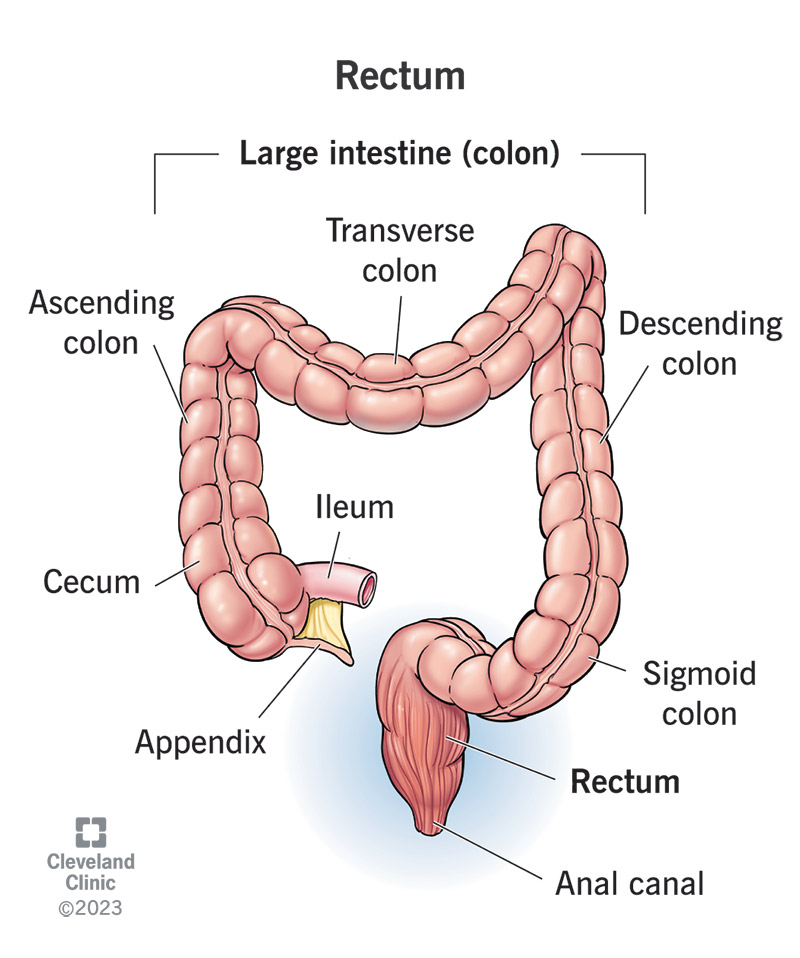

“CA rectum” typically refers to cancer of the rectum (rectal cancer). Here’s a detailed overview of what it is, how it’s diagnosed, treated, and important things to know. This is for information only and not a substitute for medical advice—if you or someone you know has this diagnosis, it’s vital to follow up with a specialist.
Symptoms & risk factors
Symptoms may include (but are not exclusive to) the following:
-
Rectal bleeding (blood in or on the stool) or darker stool. (Mayo Clinic)
-
Change in bowel habits: diarrhea or constipation or a change in frequency. (Cleveland Clinic)
-
Feeling that the bowel does not empty completely. (Mayo Clinic)
-
Thin or “ribbon-like” shaped stool. (City of Hope Cancer Treatment Centers)
-
Unexplained weight loss, fatigue, weakness. (Cleveland Clinic)
-
Abdominal or pelvic pain. (Cleveland Clinic)
Risk factors that increase the likelihood include:
-
Age (risk increases as one gets older). (Cleveland Clinic)
-
Family history of colorectal/rectal cancer or certain inherited syndromes (e.g., familial adenomatous polyposis, Lynch syndrome). (Cleveland Clinic)
-
Certain diseases/inflammatory conditions of the bowel (e.g., ulcerative colitis). (Cleveland Clinic)
-
Lifestyle factors: e.g., high consumption of red/processed meat, smoking, obesity, physical inactivity. (City of Hope Cancer Treatment Centers)
Diagnosis
Diagnostic steps often include:
-
History taking and physical examination (including digital-rectal exam) to check for masses or abnormalities. (NCBI)
-
Endoscopic evaluation: colonoscopy (to visualize the colon and rectum) and possibly proctoscopy or sigmoidoscopy. (FASCRS)
-
Biopsy of suspicious lesion to confirm cancer type (most are adenocarcinomas). (Medscape)
-
Imaging to determine spread (staging): MRI of pelvis, CT scans, possibly PET, to check lymph nodes, nearby organs, distant metastases. (Mayo Clinic)
Staging (how far the cancer has gone) is critical in planning treatment. (Cancer.gov)
Treatment
Treatment depends on many factors: stage (how deep the cancer has gone, lymph nodes/other organs involved), location in the rectum (upper, middle, lower), general health of the patient. (Medscape)
Common treatment modalities:
-
Surgery: Removing the cancerous portion of the rectum, with nearby lymph nodes. For early cancers local excision may suffice; for more advanced, more extensive surgery. (Cancer Research UK)
-
Radiation therapy: Often used, especially for rectal cancer (more commonly than in colon cancer), either before (neoadjuvant) or after (adjuvant) surgery to shrink tumour or kill remaining cells. (Mayo Clinic)
-
Chemotherapy: May be used alongside radiation and/or surgery, especially if risk of spread is higher. (Cancer.gov)
-
Targeted therapy / immunotherapy: In certain situations (e.g., advanced/metastatic disease), depending on molecular features of the tumour. (Mayo Clinic)
-
Follow-up care: Monitoring for recurrence, managing late effects, etc. (FASCRS)
Important considerations
-
Because the rectum resides in a tight anatomical space, and is closely associated with pelvic organs/nerves, surgery and treatments carry risks (e.g., bowel function changes, sexual/urinary function changes). (Mayo Clinic)
-
Early detection significantly improves outcomes. Polyps can turn into cancer over many years—so screening matters. (Cancer Research UK)
-
The exact treatment plan must be individualized (tumour location, stage, patient preferences, comorbidities). Always discuss with a multidisciplinary team (surgeon, oncologist, radiation oncologist, gastroenterologist).
-
Prevention & risk reduction: Lifestyle modifications (healthy weight, diet, physical activity, less processed meat, less smoking/alcohol), screening colonoscopy according to guidelines.
If you like, I can pull data specific to India (incidence, typical presentation, guidelines followed here, survival rates) or explain staging in more detail (what Stage I vs III vs IV means) and what to expect. Would that be helpful for you?

"This Content Sponsored by SBO Digital Marketing.
Mobile-Based Part-Time Job Opportunity by SBO!
Earn money online by doing simple content publishing and sharing tasks. Here's how:
- Job Type: Mobile-based part-time work
- Work Involves:
- Content publishing
- Content sharing on social media
- Time Required: As little as 1 hour a day
- Earnings: ₹300 or more daily
- Requirements:
- Active Facebook and Instagram account
- Basic knowledge of using mobile and social media
For more details:
WhatsApp your Name and Qualification to 9943990669
a.Online Part Time Jobs from Home
b.Work from Home Jobs Without Investment
c.Freelance Jobs Online for Students
d.Mobile Based Online Jobs
e.Daily Payment Online Jobs
Keyword & Tag: #OnlinePartTimeJob #WorkFromHome #EarnMoneyOnline #PartTimeJob #jobs #jobalerts #withoutinvestmentjob"
Comments
Post a Comment